Xbox Games Coming to PS5? Microsoft's Gaming Chief Spills the Beans
TechFriday, 23 February 2024 at 08:17
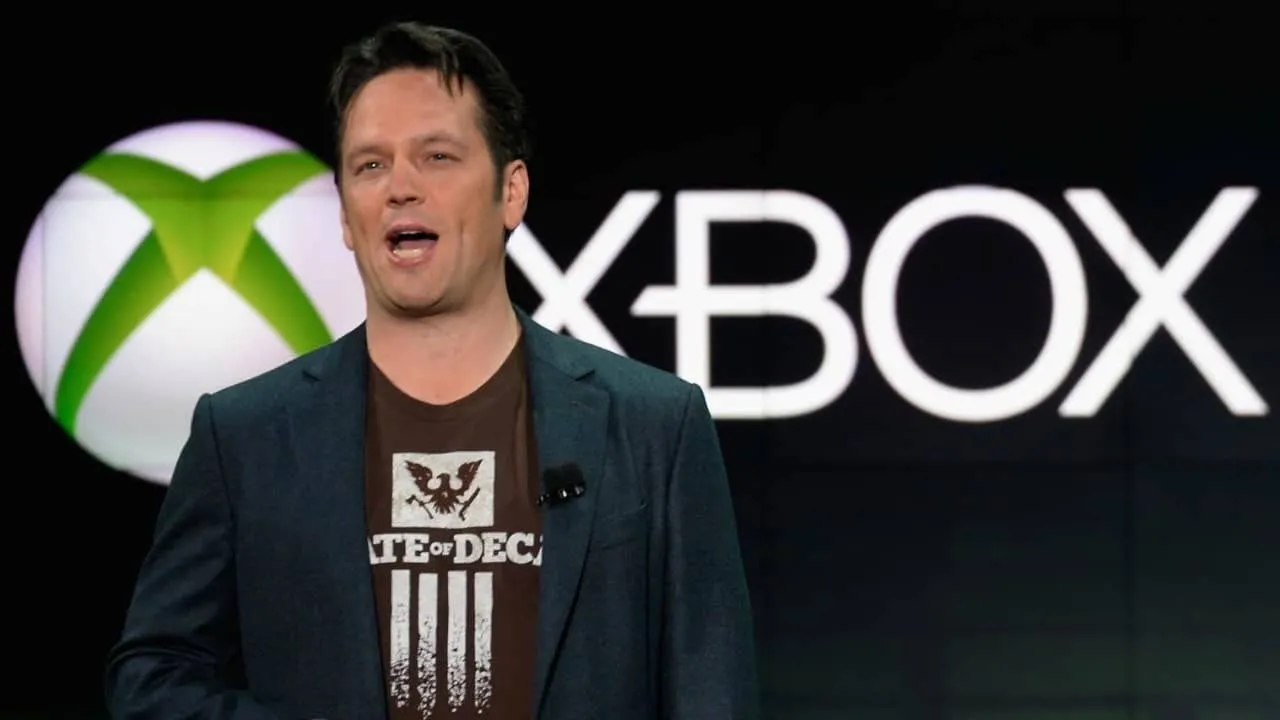
In recent years, Microsoft has been changing how they think about Xbox. They want to reach more gamers, not just on Xbox consoles, but also on computers and phones. Now, they are bringing four games that were only on Xbox to PS5 and Nintendo Switch. This is part of Microsoft's plan to make Xbox games available on more devices, and they might bring even more games to other consoles.
This change in strategy is a big one, but Microsoft is not talking about it much in public. Tom Warren of The Verge talked to Phil Spencer, who is the CEO of Microsoft Gaming, to learn more and understand what Microsoft sees for the future of Xbox.
Bringing Xbox games to other consoles seems like the next step in Microsoft's big plan. But it's also a risky move because it might hurt the sales of Xbox consoles. These sales are important for services like Xbox Game Pass and the overall Xbox system. If things don't go well, Microsoft might have to stop making Xbox hardware and only focus on making game software, similar to what Sega did.
Spencer knows the risks involved, but he sees a chance to earn more money by putting Xbox games on other consoles. This can help fund Microsoft's game development and make games available to a larger audience.
In addition to bringing Xbox-exclusive games to PS5 and Switch, Spencer hints at upcoming "unique" next-gen Xbox hardware. In an interview, The Verge asked him about the many posts he likes regarding an Xbox handheld. They also discussed the regulatory challenges against Apple that might impact the Xbox business and try to understand what role Xbox plays for Microsoft now.
Below is the highlights of the conversation between the Verge and Xbox chief of gaming. Wen have clarified the conversation to make it easier for readers to understand everything they spoke about. We have also made Questions from The Verge bold in order to differentiate between the questions and answers easily.
More Xbox Games on Multiple Platforms: Why this will Help Improve the Success of Xbox

Games have a great chance to grow. When a game is successful on our Xbox console and PC, we think about how to ensure these game franchises keep growing. By investing in them, they can thrive and attract new customers. The software part of the business is easier to grow and scale. It's about how the bits get to the screen and the business model.
For us, it's Game Pass plus retail. While there are many free-to-play games on Xbox, having diverse business models gives people more choices in building their game library. Our platform should support these options. Games themselves have a fantastic opportunity to reach billions of players. For example, look at the recent launch of Palworld. It's one game that continues to update and has gained massive numbers of players on Xbox and PC. Games have the ability to keep growing, and we want our Xbox games to be a strong part of what Xbox is all about.
The goal is to have more people playing games and discovering them. Why start with just these four games, and not more? You mentioned learning from them, but if they become very successful and attract more players, will you consider doing more in the future? 
Yes, but we haven't observed that yet. Currently, we are one of the largest publishers on PlayStation and Nintendo, considering the games lineup from Activision Blizzard and Bethesda. We have experience shipping games on Steam, PlayStation, Nintendo, and Xbox.
The games we are bringing to other platforms originally launched on Xbox. They were Xbox-branded games, and we want to observe what happens. Developing them for new platforms requires real work, and we want to ensure that the investment makes sense. We need to see if the audience on these platforms has an interest — maybe they don't.
We'll also monitor what happens on Xbox. Our hope is that the communities of these games grow and thrive, but it remains to be seen. Bringing games that started on Xbox and PC to other consoles, other closed platforms, is something we are testing. We don't have all the answers.
We've done it a few times before. For example, Ori was brought to the Switch after its initial launch. We launched Psychonauts 2 on both platforms and simultaneously launched Minecraft Dungeons and Minecraft Legends on both platforms. So we have some data about what happens, and we want to ensure it aligns with the long-term health of Xbox.
You mentioned that Starfield and Indiana Jones aren't part of the four games, despite rumors. Can you rule out the possibility of these games coming to PS5 in the future? 
I don't think the industry should ever completely rule out a game going to any other platform. Right now, our focus is on these four games and learning from the experience.
However, I want to avoid creating false expectations that these are the first four games to cross over, and a flood of other games will follow. That's not the current plan. I also don't want to give misleading information to customers on those other platforms. We are launching these four games, and we're excited about the announcement and everything else. The future will reveal what happens for our business.
We certainly noticed the reactions from Xbox fans to some of the rumors, with concerns about their digital library and the future of the console. How do you plan to retain those fans and keep the Xbox ecosystem thriving?
I always take the feedback from our most passionate fans very seriously. We've recently seen record-high engagement on Xbox, with more players than ever before in December. While some may believe that one exclusive game can drive console sales, the reality of the industry is different today.
We are committed to respecting the library of games that players have purchased on our platform. Our backward compatibility and Xbox Play Anywhere programs demonstrate this commitment by providing PC and console entitlements when you buy a game from us. As we look to the future, compatibility and library support are fundamental considerations for us in our hardware plans. We are fully dedicated to this approach.
Our commitment to backward compatibility and library support sets us apart. We ensure that the games you purchase now will be playable in the future, and features like FPS Boost and Auto HDR may even enhance the gaming experience beyond its original state. This promise is at the core of the Xbox brand.
I'd like to revisit something you mentioned in the FTC v. Microsoft case. You testified that putting Xbox games on PlayStation allows Sony to use the 30 percent of revenue they receive from those transactions to potentially harm or undermine Xbox. Given that, why would you consider bringing more games to that platform?
Perhaps this is why we're starting with just four [laughs]. We're looking to understand our partnerships with other platforms and observe how our players respond. Learning from this experience will benefit the games we're bringing to those platforms, and that's a positive for us. If we can tap into other platforms with gamers who may not prefer playing on PC or Xbox, and it helps us grow our business, that's a positive outcome. However, if the overall impact is detrimental to the Xbox platform and hinders our growth, we'll need to carefully consider our support for those other platforms.
Microsoft used to measure the success of Xbox, or at least executive compensation was tied to Game Pass. This shifted to content and services revenue. Can you explain why this change occurred and how it affects how Microsoft internally tracks the success of Xbox? 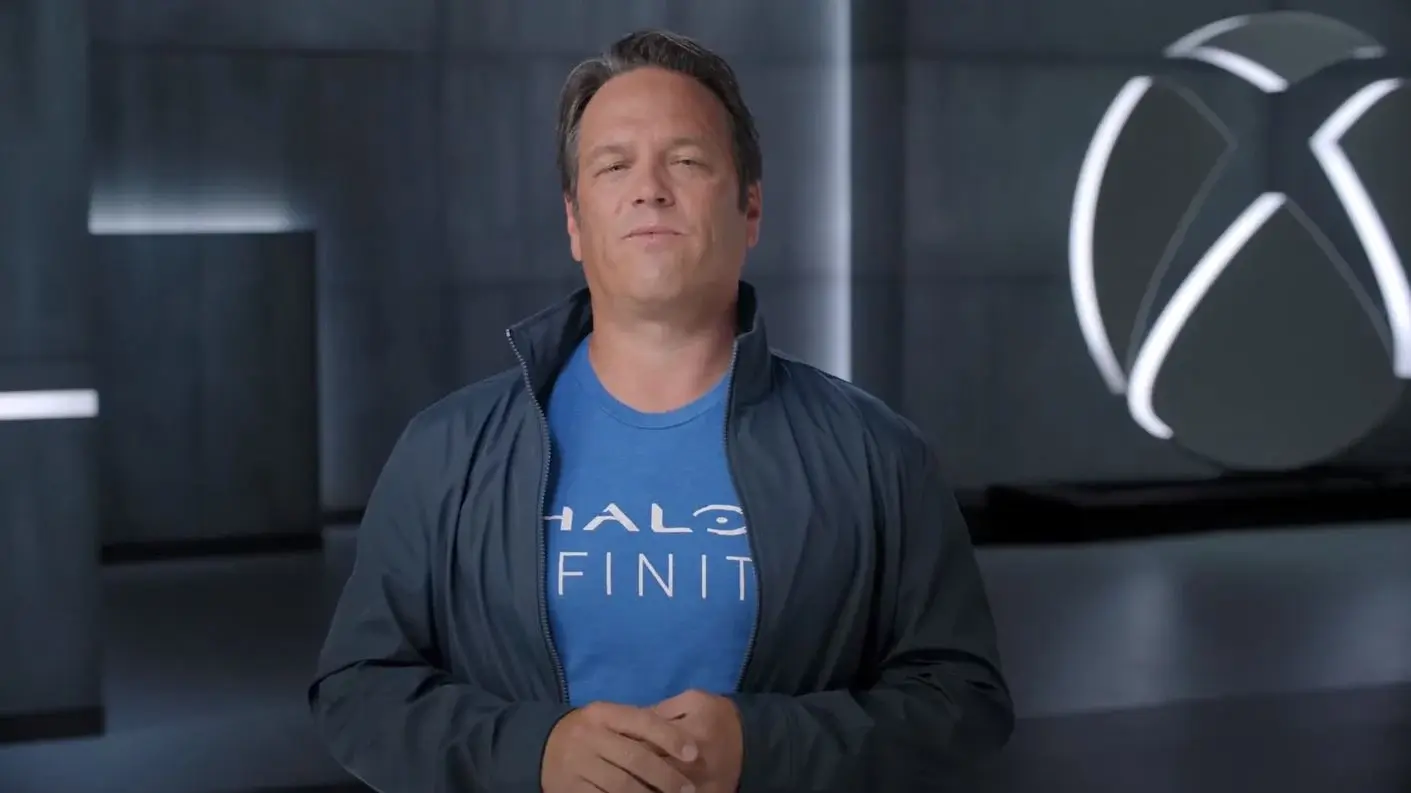
The shift to content and services revenue doesn't change how we measure success. Revenue generated on other platforms will still be part of content and service revenue, just as Minecraft on PlayStation contributes to our content and service revenue today. The shift occurred when we were launching Game Pass, and there was a specific focus on trying something new.
Contrary to some beliefs, our ultimate goal is not to make everyone a Game Pass subscriber. I've mentioned before that only about 10-15 percent of our content and service revenue comes from subscriber revenue. While Game Pass is a successful business for us, there is no plan insisting that everyone must become a Game Pass subscriber. If someone prefers to play free-to-play games on Xbox or build their game library by purchasing games, we fully support that.
The move to content and services is reflective of Game Pass reaching a scale where it's a sustainable, profitable business for us. We don't need to have an exclusive focus on Game Pass anymore. Instead, we can consider the overall health of the business on Xbox, encompassing people buying games, subscribing to games, purchasing in-game items, and engaging in activities that drive the business.
Ultimately, would I be correct in assuming that you'd prefer to have another Minecraft or Palworld situation over gaining a specific number of additional Game Pass subscribers? The success of a multiplatform game, as demonstrated by the revenue from Minecraft, is considered a successful outcome.
Honestly, when it comes to running the business, having a diversity of successful business models is crucial. Regarding Game Pass subscriber revenue, one advantage is its consistency. It shows steady growth, and you can predict its performance in the coming months.
In an industry where success can be unpredictable, having a mix of hits like Palworld and other games that may not perform as well is beneficial. While we appreciate the success of big titles like Hogwarts Legacy, Palworld, or Elden Ring, I appreciate the diversity in our business model. Our success is not solely dependent on hardware sales or first-party game sales. It's a combination of various models that contribute to the overall success of our business. This diversity reflects the path we've been on for the past few years.
Turning to the hardware side of things, you've mentioned that new console and controller options are coming this holiday. Are these the leaked refreshed models that were seen in the FTC documents?
I'm not aware of any leaks. I'm not sure what you're referring to. [Laughs]
Well, as you have already mentioned, those are old plans. So, what's currently happening, is that what you are trying to tease?
[Laughs] Absolutely, we'll focus on upcoming developments. I must say, I'm incredibly proud of the work our hardware team is doing, not just for this year but also for the future. We're putting thought into creating hardware that appeals to gamers due to its unique features. It's like unleashing the creative capabilities of our hardware team, and I'm genuinely excited about it.
I have realized that you keep liking many tweets about handhelds lately, does the new hardware developments involve handhelds? 
[Laughs] I'm a big fan of handhelds, but I don't have anything to announce at the moment.
When assessing how well Xbox is doing as a platform, I focus on the number of players and the hours played. The total hours played on a monthly basis across Xbox, cloud, PC, and console is a pretty good indicator of our performance.
Now, what prevents people from playing more hours? Well, there's sleep, school, and normal life, but access to games also plays a role. We're learning from what Nintendo has done with the Switch over the years; they've been fantastic in that space. When I see devices like the Steam Deck, ROG, and Legion Go, I'm a big fan of that category.
However, there's real work to be done. One of the challenges with devices like the ROG or Lenovo Legion Go is Windows. How Windows works with controller input on a smaller eight- or seven-inch screen with that kind of DPI is a real design point. Our platform team is collaborating with Windows to ensure the experience is even better.
Speaking of mobile, you have also spoken about Xbox mobile store and its potential. What's the status of that, is it happening this year?
There are three main parts to this. First, we need permission to add our store to Android and iPhone. This is still in progress. We're actively working on the Digital Markets Act to make this happen. Second, we have experience building our own mobile store before, so we know how to do it.
Third, we're talking with our own partners about the business opportunity. Many people are excited about having different stores on mobiles. These stores could be better for gamers and offer better money deals. We're planning to have an Xbox store on mobiles, and we have big games like Candy Crush and Call of Duty. This can help bring more people to our store, which can also help other companies.
As you have mentioned, some of the regulatory works are still not completed. Apple has also made some changes to its Digital Marketing Act (DMA), so is there a chance for Xbox cloud gaming on iOS?
There isn't enough space for us to make money from Xbox Cloud Gaming on iOS. I agree with Sarah Bond's comments that Apple's proposal doesn't do enough to open up competition on the world's biggest gaming platform. In fact, it might even go in the opposite direction. We will keep working with regulators and Apple and Google to make room for other stores.
I really like how things work on Windows. You have the Microsoft Store, Steam, Epic Games Store, and GOG. Having different ways for people to buy things is good for both consumers and creators. I believe the biggest platform for gamers, which is mobile, should have the same kind of options.
Last question: Since more Xbox games are coming to PS5 and Switch, what's the position of Xbox in Microsoft? 
Xbox is our main gaming platform and content business, and it's the top consumer business at Microsoft. Looking at last quarter's earnings, we're now the third-largest business in the company. It's a crucial business driven by technology and creativity. We work closely with some of the world's best creators through partnerships. The support from the company over the past five or six years has been incredible.
I'm genuinely thrilled about the opportunities ahead for us. The gaming teams, our games in the market, the growth on PC and cloud, and our hardware plans all contribute to this exciting time at Xbox. I want Xbox to be a key player in the growth of the gaming industry, attracting new players and creators. While we aim to succeed in this growing business, as an industry, we should focus on how we can collectively expand and enhance the gaming sector.
Conclusion
While bringing Xbox games to other platforms is a bold move, Microsoft believes it can boost the success of Xbox by reaching a wider audience and diversifying its business model. The company remains committed to its core players and is excited about upcoming hardware innovations. The future of Xbox lies in expanding its reach, embracing new platforms, and contributing to the overall growth of the gaming industry.
loading




Loading